Why You Should Travel?
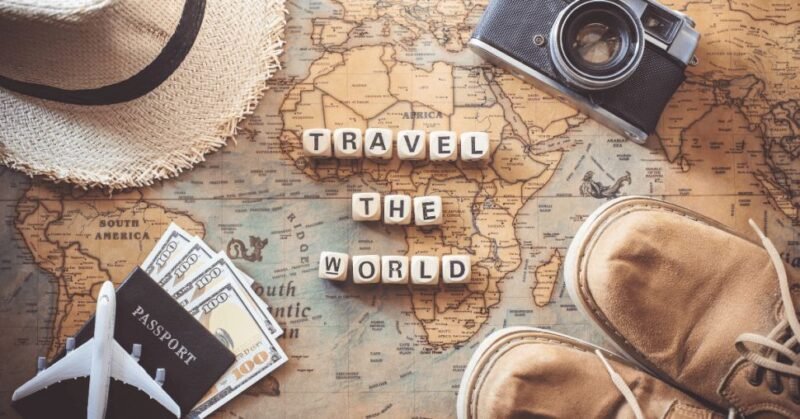
Travel is more than just moving from one place to another — it is an experience that expands your perspective and refreshes your mind. When you travel, you step outside your daily routine and enter a world full of new sights, cultures, flavors, and stories. Every destination offers something unique, helping you see life from a broader and more meaningful point of view.
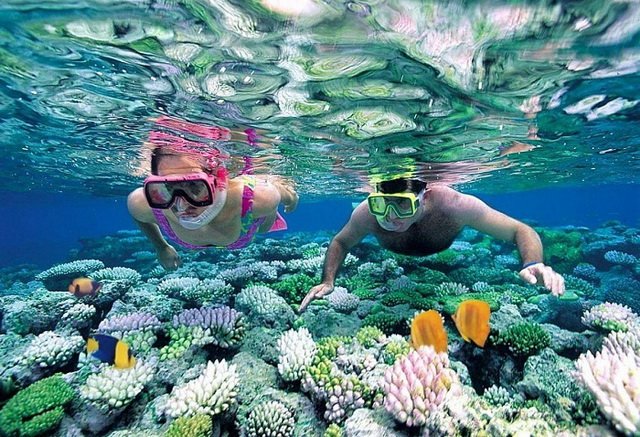
Travel also creates unforgettable memories and emotional value. Whether it’s watching a sunset on a beach, walking through an ancient city, or trying street food in a busy market, these moments stay with you long after the trip ends. Unlike material things, travel experiences grow more valuable over time because they become part of your personal story.
Research shows that tourism can lead to long-term improvements in subjective well-being, enhancing life satisfaction and happiness. Vacations and travel experiences are linked with reduced stress levels, increased positive emotions, and improved mental wellness. Travel provides physical activity, new sensory experiences, and social interactions that collectively support health and happiness far beyond the duration of the trip.
One study notes that breaks from routine through travel can promote relaxation and reduce stress hormone levels, which supports better emotional balance and overall life satisfaction.

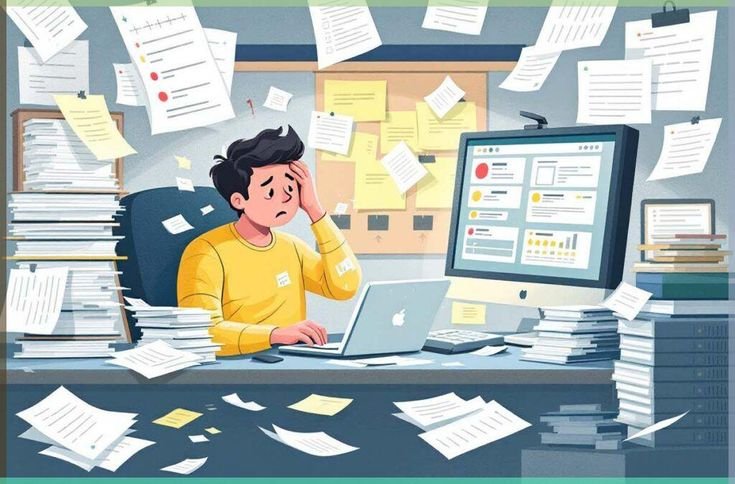
Scientific research suggests that travel can be an effective way to reduce chronic stress and stimulate creative thinking.
According to a study from Edith Cowan University, exposure to new environments, physical activity during trips, and mental stimulation encountered through novel experiences may reduce chronic stress and boost physical resilience, potentially slowing some effects of aging and improving overall stress management.
Being in unfamiliar settings — interacting with diverse cultures, unfamiliar languages, and new landscapes — also stimulates the brain and can enhance creativity and cognition. Travelers often return with broader thinking, fresh perspectives, and improved problem-solving skills.
Beyond health, travel significantly contributes to personal development and global understanding.
Research on the cognitive impacts of travel shows that navigating new environments strengthens memory and reasoning skills. Exposure to cultural diversity builds empathy, enhances communication abilities, and fosters multicultural understanding — skills highly valued in today’s globalized world.
Travel also broadens perspectives and expands knowledge beyond what books or media can offer. Immersive experiences deepen cultural awareness, create lasting memories, and promote lifelong learning.